The best cassette recorders for field recording should be portable, straightforward to operate, and dependable when you are away from a desk. Whether you are capturing interviews, ambient sound, voice notes, or cassette playback, the right choice depends on recording format, microphone performance, power options, and durability.
This roundup compares 10 portable recorders and cassette-based devices, including traditional tape machines and a digital handheld option for shoppers who want cleaner files and easier editing.
Best 10 Cassette Recorders for Field Recording Picks for 2026
Best Digital Upgrade

- 32-bit float recording helps reduce clipped takes
- Stereo mics and two XLR/TRS inputs
- USB-C recording with SD-card backup
Best For: Digital field recording and larger creative projects
Best Classic Shoebox Recorder

- One-touch cassette recording
- Automatic level control and built-in condenser mic
- Auxiliary and external microphone connections
Best For: Simple portable voice recording on cassette
Best for Interviews and Classes

- One-touch recording for spoken events
- Built-in and freestanding microphone options
- AC/DC operation with carry handle
Best For: Interviews, classes, and conferences
Best Multimedia Cassette Option

- Records cassette, Bluetooth, FM, or line-in to USB MP3
- USB, Bluetooth, FM, and cassette playback
- AC or four-C-battery operation
Best For: Casual recording with broad playback and transfer options
Best Digital Option
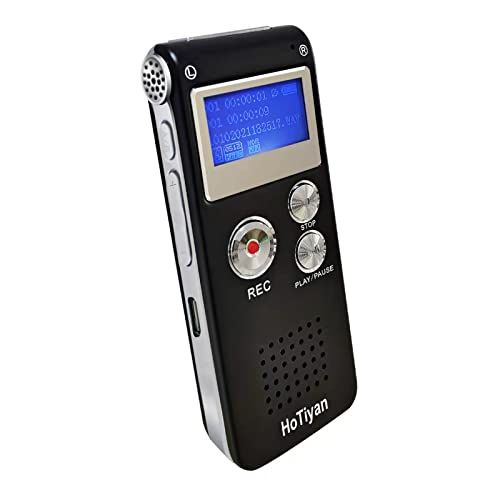
- 8GB storage with MP3/WAV recording
- Up to 20 hours of continuous recording
- Voice activation and USB file transfer
Best For: Digital field notes, interviews, and long recording sessions
Best Simple Tape Recorder
Coby Portable Cassette Recorder

- Records and plays physical cassettes
- Built-in microphone for voice capture
- Battery or AC-powered operation
Best For: Simple analog notes, interviews, and cassette playback
Best Tape-to-USB Hybrid

- Records to cassette or USB in WAV
- Includes built-in and lavalier microphones
- Converts tapes without a computer or app
Best For: Portable interviews, ambient sounds, and tape preservation
Best All-in-One Converter

- Records to cassette or USB
- Converts tapes directly to WAV
- Supports C batteries or USB-to-DC power
Best For: Field users needing analog recording and digital backup
Best Compact Walkman-Style Option
TOMASHI Portable Cassette Recorder

- Compact and lightweight design
- Built-in microphone and speaker
- Automatic stop helps protect tapes
Best For: Portable voice notes and casual cassette playback
Best for Simple Analog Voice Notes
Reshow Portable Cassette Recorder
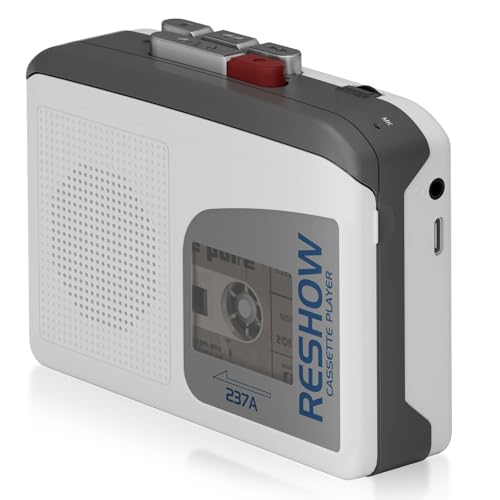
- Records voice directly to cassette
- Includes speaker and 3.5mm headphone jack
- Uses AA batteries or USB-C power
Best For: Simple field voice notes and analog interviews
Best Digital Upgrade – Zoom H4 Essential
For shoppers comparing cassette recorders for field recording, the Zoom H4 Essential is the modern digital option in this group. Its built-in stereo microphones, 32-bit float recording, four-track capability, and XLR/TRS inputs make it suitable for capturing everything from quiet interviews to loud live performances.
Best For: Musicians, filmmakers, podcasters, and field recordists who want digital recording with flexible microphone connectivity.
Pros:
- 32-bit float recording helps provide clip-free audio.
- Built-in stereo microphones plus two XLR/TRS inputs support varied setups.
- Can record to a connected USB-C device while saving a backup to an SD card.
- Spoken menu guidance can make operation more accessible.
Cons:
- It records digital audio rather than standard cassette tape.
- Requires two AA batteries for portable use.
The H4 Essential is the strongest fit when recording quality, input flexibility, and backup options matter more than analog tape operation. It is a practical choice for larger or less predictable recording projects.
Best Classic Shoebox Recorder – JENSEN MCR-100
The JENSEN MCR-100 brings the traditional shoebox format to shoppers seeking cassette recorders for field recording. It offers one-touch cassette recording, a built-in condenser microphone, automatic level control, an auxiliary input, and a retractable handle for straightforward portable use.
Best For: Students, note-takers, and casual users who want simple cassette recording for lectures, interviews, or personal notes.
Pros:
- One-touch recording simplifies starting a recording.
- Automatic level control helps keep recording volume consistent.
- Built-in microphone, auxiliary input, and external microphone jack provide multiple recording options.
- Retractable handle and compact shoebox design support portability.
Cons:
- The built-in microphone operates in mono.
- It has a limited 90-day warranty.
Choose the MCR-100 when ease of use and cassette compatibility are priorities. Its simple controls and handle make it more approachable than a multi-input digital recorder, though it is better suited to basic voice recording than detailed stereo production.
Best for Interviews and Classes – PROSCAN PRC124AMZ
PROSCAN Cassette Player & Recorder with Microphone, Headphone Jack, Aux in, Black
Check Price On AmazonThe PROSCAN PRC124AMZ is a straightforward choice among cassette recorders for field recording when the main goal is capturing interviews, classes, or conferences. It combines one-touch recording with a built-in microphone, a freestanding microphone, automatic level control, and AC/DC operation.
Best For: Users recording spoken events who want a portable cassette player-recorder with simple controls and microphone flexibility.
Pros:
- One-touch recording is convenient for interviews, classes, and conferences.
- Includes a freestanding microphone and an external microphone jack.
- Automatic level control is designed to support clear, consistent recordings.
- Carry handle and AC/DC operation suit portable use.
Cons:
- Its supplied notes do not specify advanced digital recording features.
- The unit weighs about 1.74 pounds, making it less lightweight than smaller recorders.
The PROSCAN is a practical analog recorder for spoken-word situations. Its microphone options and simple recording button are useful for basic field work, while the headphone and AUX connections add everyday listening flexibility.
Best Multimedia Cassette Option – QFX RETRO-39BT
The QFX RETRO-39BT expands the usual cassette recorder setup with Bluetooth, FM radio, USB MP3 playback, and USB recording. For those shopping for cassette recorders for field recording, it is most useful for voice notes, casual mixtapes, and moving audio between cassette, USB, and connected sources.
Best For: Casual users who want cassette recording alongside USB, Bluetooth, FM, and line-in features.
Pros:
- Records cassette, Bluetooth, FM, microphone, or line-in audio as MP3 to a USB drive.
- Can play USB, Bluetooth, or FM audio and record it to cassette.
- Offers one-touch recording, auto-stop, a built-in microphone, and a pull-out handle.
- Runs from the included AC adapter or four C batteries.
Cons:
- The mono speaker is intended for voice and personal listening rather than large-room playback.
- USB drives are supported, but there is no SD card slot.
- Tape recordings may include natural hiss.
The RETRO-39BT is a versatile choice when connectivity matters as much as cassette recording. It is less appropriate for polished stereo field audio, but its USB and Bluetooth functions make it convenient for casual capture and playback.
Best Digital Option – 8GB Voice-Activated Recorder
For shoppers comparing cassette recorders for field recording, this compact digital model offers a lightweight alternative with stereo recording, voice activation, and rechargeable operation. It records in MP3 or WAV and transfers files through the included Micro USB cable.
Best For: Lectures, meetings, interviews, and field notes where digital file transfer and long recording capacity matter.
Pros:
- 8GB storage supports up to 128 hours at 192 kbps and longer recording modes at lower bitrates.
- Voice activation can pause recording during quieter periods, helping reduce empty sections.
- Rechargeable battery supports up to 20 hours of continuous recording.
- Includes A-B repeat, variable playback speed, timestamps, and password protection.
Cons:
- It is a digital recorder rather than a cassette-based field recorder.
- Its built-in microphone and small body may be less suitable when you need specialized external microphone setups.
This is a practical choice for portable field recording when easy file management, long battery life, and voice-activated capture are more important than using physical tapes.
Best Simple Tape Recorder – Coby Portable Cassette Recorder
If you specifically want a traditional cassette recorder for field recording, the Coby CVR-22 keeps the setup straightforward. Its built-in microphone records directly to cassette, while battery or AC power gives you flexibility between mobile and stationary use.
Best For: Voice notes, lectures, interviews, and users who prefer physical cassette recording with simple controls.
Pros:
- Combines cassette playback and recording in one compact unit.
- Built-in microphone enables recording without additional equipment.
- Runs on four C batteries or AC power for flexible use.
- Includes a headphone jack and aux input for private or connected listening.
Cons:
- Recording time is limited to the capacity of the cassette, with 90 minutes listed in the specifications.
- At 1.4 pounds, it is heavier than a small digital voice recorder.
- The supplied notes do not indicate digital recording or USB file transfer.
The Coby is a sensible pick for straightforward analog recording and playback, particularly if accessible buttons and replaceable battery power are priorities.
Best Tape-to-USB Hybrid – Portable Cassette Recorder
For field recording setups that need both cassette functionality and digital convenience, this portable model records through its built-in or included lavalier microphone to tape or USB. It also converts cassette content to WAV files on a USB flash drive without requiring a computer or app.
Best For: Portable interviews, environmental sounds, cassette preservation, and users who want tape and USB recording in one device.
Pros:
- Records to cassettes or USB and supports WAV output.
- Includes a built-in microphone and an additional lavalier microphone.
- Converts cassette recordings to digital files on a USB flash drive without drivers or apps.
- Retractable handle and one-touch recording support portable operation.
Cons:
- The supplied notes do not specify battery life or the power source.
- Digital recording is described as USB-based rather than internal storage recording.
- Its broader feature set may be more than needed for basic cassette playback.
This hybrid recorder stands out when you want the character and compatibility of cassettes while retaining a direct path to WAV files for easier storage and management.
Best All-in-One Converter – USB Cassette Recorder
For shoppers comparing cassette recorders for field recording, this model stands out for its broad recording and conversion options. It can record external audio to cassette or USB, convert tapes to WAV files without a computer, and operate from C batteries or a USB-to-DC power cable.
Best For: Field users who want cassette recording plus direct USB backup and flexible power options.
Pros:
- Records to cassette or USB and converts tapes to WAV files.
- Supports four C batteries or USB-to-DC power.
- Includes a built-in microphone, dedicated microphone, speaker, 3.5mm headphone jack, and REM port.
- Retractable handle supports portable use.
Cons:
- C batteries and the AC adapter are not included.
- The supplied notes recommend placing the sound source close to the microphone for better recording results.
- At 2 pounds, it is less compact than a pocket-size recorder.
This is the most versatile option of the three for users who need both analog recording and straightforward digital archiving. Its larger shoebox-style body trades some portability for connectivity and format flexibility.
Best Compact Walkman-Style Option – TOMASHI Portable Cassette Recorder
This TOMASHI model is a compact choice for cassette recorders for field recording when portability and simple controls matter most. It includes play, rewind, fast-forward, stop, and record functions, plus a built-in microphone, speaker, and headphone support.
Best For: Lightweight voice notes, language practice, and casual cassette playback on the go.
Pros:
- Compact 4.57-by-3.54-by-1.38-inch design weighs about 180 grams.
- Built-in microphone supports personal recording.
- Runs on two AA batteries or USB power.
- Automatic stop helps reduce unnecessary cassette and pinch-roller wear.
Cons:
- USB power supply and AA batteries are not included.
- Uses a single built-in speaker, so speaker output is mono.
- Does not list USB tape conversion or direct digital recording.
The TOMASHI is the easiest fit for buyers who prioritize a small, familiar cassette-player format. It is less suitable for archiving tapes or managing more advanced recording workflows, but its low weight and automatic stop are practical for casual field use.
Best for Simple Analog Voice Notes – Reshow Portable Cassette Recorder
For buyers seeking cassette recorders for field recording without complicated controls, this Reshow model focuses on direct analog capture. Its built-in microphone records voice memos, interviews, lectures, practice sessions, or ideas directly to cassette, while USB-C power adds convenience for travel and home use.
Best For: Students, journalists, and analog enthusiasts who want straightforward voice recording to tape.
Pros:
- Records directly to cassette through the built-in microphone.
- Offers a built-in speaker and 3.5mm headphone connection.
- Supports two AA batteries or USB-C power.
- Simple controls and a portable grey-white design suit travel and everyday use.
Cons:
- AA batteries are not included.
- Does not list USB tape conversion or recording to digital files.
- The supplied warranty description is six months.
This recorder is a focused option for capturing speech and ideas in an authentic analog format. Choose it over the more feature-rich converter when direct-to-tape recording and USB-C convenience matter more than digital archiving.
How We Picked the Best Cassette Recorders for Field Recording
We focused on portability, recording practicality, controls, microphone access, playback options, and power flexibility. The selection includes traditional cassette recorders for users who specifically want tape, compact voice recorders for interviews and notes, and a handheld digital recorder for creators who need higher-quality files and more control. Features such as built-in speakers, headphone outputs, USB transfer, auxiliary inputs, and voice activation can make a significant difference in real-world use.
Because product specifications can vary by seller and model revision, confirm the listed recording format, included accessories, battery requirements, and connection options before buying.
Quick Comparison
| Best For | Recommended Type | Look For |
|---|---|---|
| Professional or detailed field audio | Handheld digital recorder | External microphones, adjustable levels, WAV support |
| Simple voice notes and interviews | Digital voice recorder | Built-in microphone, USB transfer, easy controls |
| Authentic tape recording | Portable cassette recorder | Record function, microphone, speaker, battery operation |
| Playback and basic home recording | Cassette player/recorder | Headphone jack, auxiliary input, compact design |
| Digitizing older tapes | USB tape converter | USB output, compatible file transfer, included software or instructions |
Key Buying Factors for Cassette Recorders for Field Recording
Recording Format and Sound Quality
Traditional cassettes create an analog recording that may suit archival projects, retro workflows, or lo-fi sound design, but tape introduces hiss and requires physical media. Digital recorders are generally better for clean dialogue, repeated transfers, and editing. Check whether the device records to cassette, internal memory, removable storage, or USB-compatible files.
Microphone and Monitoring Options
A built-in microphone is convenient for quick notes, while a dedicated handheld recorder usually offers better stereo imaging and more control. A headphone jack helps you monitor playback and catch background noise, distortion, or weak levels before an important take.
Power, Size, and Durability
For outdoor work, prioritize battery operation, a compact body, accessible controls, and a design that can survive frequent transport. Retractable handles and built-in speakers add convenience, but they do not replace a protective case or careful handling.
Connectivity and File Transfer
USB or auxiliary connections are useful for moving recordings to a computer or capturing audio from another source. If tape conversion is important, verify the exact export process and whether the unit creates usable WAV or other common audio files.
Who Should Buy Which Cassette Recorders for Field Recording?
Choose the Zoom H4 Essential if you need the strongest option for filmmaking, music, interviews, or detailed environmental recordings. A digital voice recorder is a better fit for lectures, meetings, and quick spoken notes. Select a traditional cassette model if the tactile tape workflow, vintage sound, or cassette playback matters more than modern editing convenience. A USB tape converter makes the most sense for preserving an existing tape collection, while a compact speaker-equipped model suits casual home, travel, or student use.
Before ordering, decide whether you need genuine cassette recording or simply a small device for capturing audio. That single distinction will narrow the choices quickly and help you avoid paying for features you will not use.